

Not all home improvements deliver equal returns. Some expensive renovations recoup only a fraction of their cost at sale, while certain affordable upgrades can return 100% or more of your investment. Understanding which improvements offer the best value helps homeowners make smart decisions about where to invest their renovation dollars.
The key is focusing on improvements that buyers actually value updates that enhance curb appeal, modernize outdated elements, improve functionality, or address maintenance concerns. This guide examines affordable improvements with the highest return on investment, helping you prioritize projects that boost both livability and resale value.
Fresh paint delivers one of the highest returns of any home improvement. A neutral, modern paint color can transform dated rooms, make spaces feel larger and brighter, and create the move-in ready appearance buyers want. Interior painting typically costs $2-6 per square foot for professional work or much less as a DIY project.
Focus on high-impact areas: the front door, entry, kitchen, and bathrooms. Choose neutral colors warm whites, light grays, and soft earth tones appeal to the broadest buyer pool. Avoid bold colors that may feel dated or limit appeal. Fresh white trim can dramatically brighten spaces and make walls appear cleaner.
| Improvement | Typical Cost | Typical ROI | Value Type |
|---|---|---|---|
| Interior Paint | $500-$3,000 | 100-150% | Visual refresh |
| Front Door Replacement | $500-$2,500 | 90-150% | Curb appeal, security |
| Garage Door Replacement | $1,000-$4,000 | 90-100% | Curb appeal |
| Landscaping Updates | $500-$3,000 | 80-100% | First impression |
| Kitchen Hardware | $100-$500 | 100%+ | Modern update |
| Light Fixture Updates | $200-$1,000 | 80-100% | Modern feel |
| Bathroom Refresh | $500-$2,000 | 70-90% | Updated appearance |
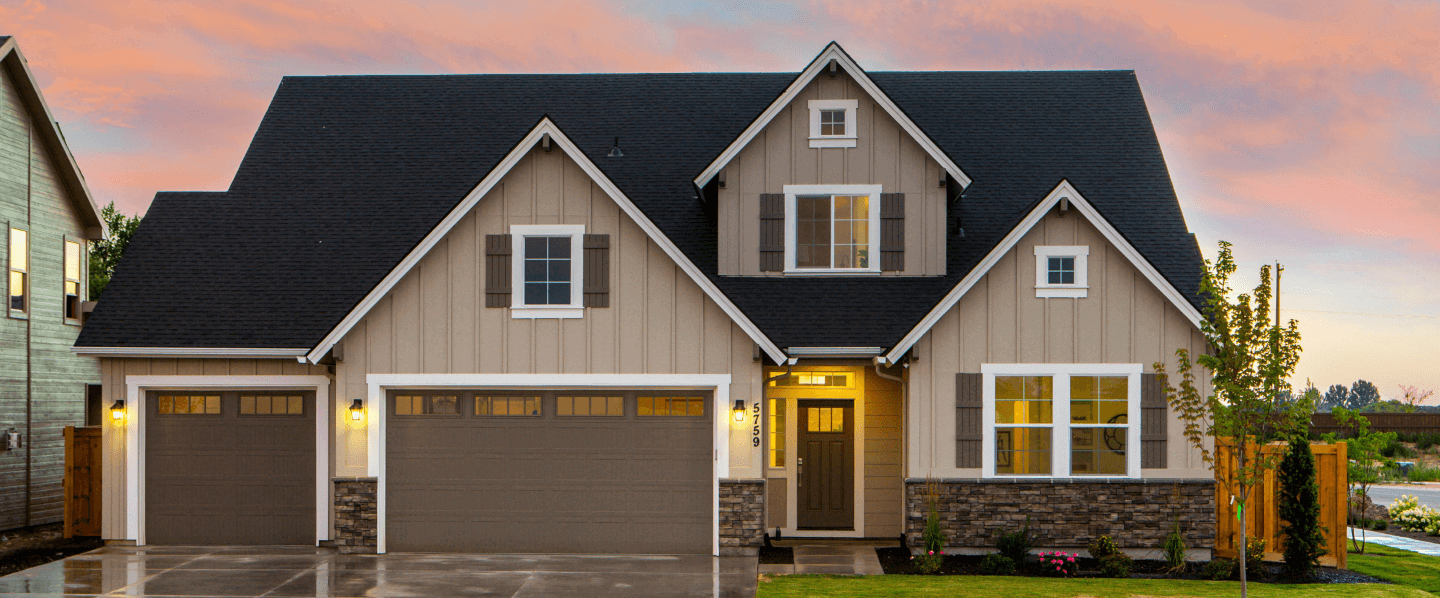
Buyers form opinions within seconds of seeing a property. Curb appeal improvements that create positive first impressions often deliver exceptional returns. Simple landscaping fresh mulch, trimmed bushes, healthy lawn, and seasonal flowers typically costs under $500 for materials but significantly impacts perceived value.
A new front door can transform a home's appearance. Steel doors in modern colors offer security, energy efficiency, and visual impact at moderate cost. Updating house numbers, a new mailbox, clean walkways, and functional outdoor lighting all contribute to curb appeal at minimal expense. These small investments create the welcoming appearance that sets positive expectations for what's inside.
Full kitchen renovations are expensive and often don't recoup their cost. However, targeted kitchen updates can modernize the space affordably. Replacing cabinet hardware drawer pulls and door handles costs $100-500 and can make dated cabinets look current. Choose brushed nickel, matte black, or brass finishes depending on your kitchen's style.
Painting existing cabinets, rather than replacing them, saves thousands while delivering a fresh look. White or gray painted cabinets are currently popular and brighten kitchens dramatically. New faucets, under-cabinet lighting, and updated switch plates provide additional modernization at low cost. These updates can make a 1990s kitchen feel much more current without $50,000+ renovation investment.
Like kitchens, bathrooms significantly influence buyer perception. But like kitchens, full bathroom renovations rarely return their cost. Instead, focus on affordable updates: new faucets and fixtures, updated lighting, a modern mirror, fresh caulk, and regrouting tile. These updates typically cost $500-2,000 total but create a much more appealing space.
If toilets are dated, replacement is relatively affordable and sends a cleanliness message to buyers. New toilet seats, towel bars, and accessories in matching finishes create a coordinated look. Deep cleaning, removing soap scum and hard water stains, and fresh paint complete the refresh. The goal is making bathrooms feel clean, bright, and functional.
Flooring is visible in every room and significantly affects home perception. However, flooring replacement is expensive. Before replacing, consider whether refinishing, deep cleaning, or area rugs can address issues at lower cost. Hardwood floors can often be refinished for a fraction of replacement cost.
If replacement is necessary, focus on high-impact areas. Luxury vinyl plank flooring offers durability and water resistance at moderate cost and can be installed over existing floors in many cases. In smaller spaces, even higher-end materials become affordable due to reduced square footage. Avoid overly trendy patterns that may date quickly.
| Project Type | DIY Suitable? | Considerations |
|---|---|---|
| Painting | Yes | Prep work is key to quality results |
| Landscaping | Yes | Physical labor required |
| Hardware Replacement | Yes | Basic tools needed |
| Light Fixtures | Often | Turn off power; know your limits |
| Faucet Replacement | Often | Plumbing knowledge helpful |
| Electrical Work | No | Safety and code compliance |
| Structural Changes | No | Permits and expertise required |
Light, bright spaces feel larger and more appealing. Updating light fixtures is an affordable way to modernize appearance while improving illumination. Remove dated brass chandeliers and frosted dome lights in favor of clean, contemporary fixtures. LED bulbs in warm white provide energy efficiency and quality light.
Maximize natural light by ensuring windows are clean and unobstructed. Remove heavy curtains in favor of lighter treatments. Strategically placed mirrors can reflect light and make spaces feel larger. These lighting improvements cost relatively little but significantly affect how spaces feel and photograph for listings.
Modest smart home investments increasingly appeal to buyers. Smart thermostats like Nest or Ecobee offer energy savings, convenience, and modern appeal for under $250. Smart doorbells and security features provide peace of mind. These visible technology upgrades signal that the home is current and well-maintained.
However, don't over-invest in smart features that require extensive infrastructure or may become obsolete. Focus on widely-adopted, user-friendly technology from established brands. Overly complex systems or obscure platforms may actually deter buyers who don't want to learn proprietary systems.
Energy-efficient upgrades reduce ongoing costs while appealing to environmentally conscious buyers. Adding insulation, especially in attics, offers excellent returns through lower energy bills. Sealing air leaks around windows, doors, and penetrations is inexpensive but effective. Upgrading to Energy Star appliances when replacement is needed provides ongoing savings.
New windows are expensive and rarely recoup their full cost at sale. However, if windows are damaged, drafty, or extremely dated, replacement may be worthwhile. Focus on the most visible windows first front-facing windows that affect curb appeal and commonly-used rooms.
Beyond improvements, basic maintenance protects existing value. Deferred maintenance concerns buyers and reduces offers. Address roof issues, foundation concerns, and water problems promptly these can become major expenses if ignored and are highly visible in inspections.
Regular maintenance of HVAC systems, water heaters, and major appliances extends their life and demonstrates responsible ownership. Updated electrical panels, modern circuit breakers, and sufficient outlets eliminate concerns. Documentation of maintenance builds buyer confidence and supports pricing.
Some improvements, while personally satisfying, rarely return their cost. Swimming pools often deter as many buyers as they attract while requiring ongoing maintenance. Overly customized spaces elaborate home theaters, wine cellars, or specialized hobby rooms may not appeal to future buyers. Luxury finishes in modest neighborhoods create improvement value that can't be recovered.
Avoid "improvements" that reduce functionality converting garages to living space, eliminating closets, or reducing bedroom counts. These changes may reduce value despite their cost. Similarly, adding square footage rarely returns construction costs unless it addresses a specific deficiency like an extra bathroom.
The best home improvements deliver visual impact and buyer appeal at reasonable cost. Fresh paint, enhanced curb appeal, modernized hardware and fixtures, and updated bathrooms and kitchens without full renovation typically offer the strongest returns. Focus on creating clean, bright, move-in-ready appearance rather than expensive renovations that rarely recoup their cost.
Prioritize improvements that address buyer concerns: maintenance issues, dated appearance, and functionality problems. Document improvements for future sale negotiations. Whether you're preparing to sell soon or simply maintaining your home's value for the future, smart improvement choices protect and enhance your real estate investment while improving daily livability.